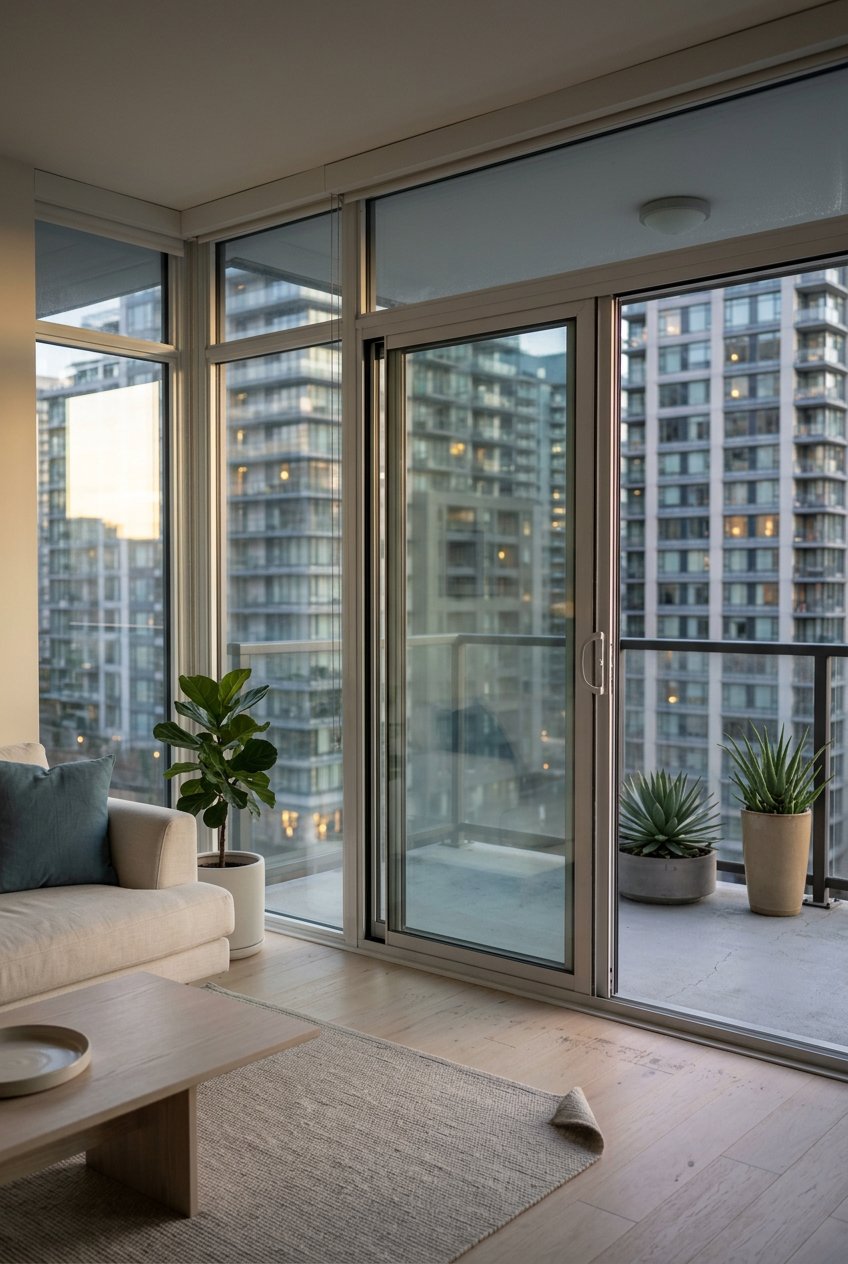
Downtown San Diego High-Rise Condos: Buyer Insights
March 24, 2026
March 24, 2026
Picture yourself watching the sun dip behind the bay from your living room, then walking to dinner in Little Italy or a game at Petco Park. If you are considering a high-rise condo in Downtown San Diego, you have great options, but also a few moving parts to vet. In this guide, you will learn how prices, HOA dues, parking, EV charging, views, noise and building rules work downtown, plus a simple checklist to shop with confidence. Let’s dive in.
Recent market snapshots show a median downtown condo sale price near $755,000 and roughly $695 per square foot. Prices vary by building, view, parking and interior finishes. Subdistricts like Marina, Little Italy, East Village, Gaslamp and Cortez Hill each have their own mix of towers and amenities. Treat neighborhood stats as context, then compare buildings one by one.
Luxury towers often offer 24/7 concierge services, pool and terrace decks, fitness centers, screening rooms, guest suites and private storage. These conveniences usually mean higher HOA dues. In newer, amenity-heavy buildings, published dues can reach the low-to-mid $1,000s per month. Older towers or buildings with fewer amenities may have lower dues, but they also require careful review of reserves and maintenance history.
Floor level affects views, elevator ride time and street noise. Orientation determines sunlight and whether you see the bay, skyline or neighboring towers. Window quality and glazing influence interior comfort and cooling costs. In-unit HVAC, laundry and storage can add daily convenience and resale appeal.
In California condo resales, the seller must provide a statutory disclosure packet with key HOA documents. The Davis–Stirling Act lists what you should receive, including governing documents, budgets, reserve summaries, insurance details and more under Civil Code §4525. Associations must deliver requested documents within 10 days and can charge a reasonable fee under Civil Code §4530.
Two items deserve special attention. First, reserve studies, required at least every three years under Civil Code §5550, show component life cycles, cost estimates and funding plans. Second, SB 326 balcony and exterior-element inspections, codified at Civil Code §5551, can surface significant repair needs. Ask if the building has completed these inspections and how any findings are funded.
Downtown parking arrangements vary. Spaces can be deeded, assigned, tandem or allocated for use under the CC&Rs, and transfer rules differ. Confirm exactly what transfers with title and how many spaces are included.
If you plan to rely on street parking or own multiple vehicles, review the City’s Residential Permit Parking zones and rules for your block through the San Diego permit program. For EV drivers, California protects your right to install a charger in your designated spot, subject to reasonable HOA conditions and insurance, under Civil Code §4745. Verify whether chargers already exist in the garage and how power and metering are handled.
Views are a major value driver, but they are not guaranteed. In dense downtown blocks, future construction can change sightlines. Waterfront planning documents include view-corridor concepts that help in some areas, but they do not protect private views everywhere. If views are critical for you, review nearby planning proposals and consult resources like the Port’s planning documents, such as the Port Master Plan update draft.
Noise varies by location and building design. The City enforces a Noise Abatement and Control ordinance, and modern building standards target interior sound performance. Consider glazing type, mechanical ventilation and proximity to major streets or event venues. For example, East Village activity increases on game and event days at Petco Park. You can read the City’s policy overview in the noise ordinance document.
Structural and life-safety items should be documented in HOA reports. For buildings with balconies or exterior walkways, confirm compliance with SB 326 inspections under Civil Code §5551. Ask whether any needed repairs are already budgeted in the reserve plan.
Most associations carry a master policy for common areas and the building exterior. You still need an HO-6 policy for your interior finishes, personal property and liability, and many buyers add loss-assessment coverage to help with HOA deductibles or special assessments tied to covered claims. Earthquake and flood are commonly excluded from standard policies, so consider stand-alone options where appropriate. For a useful primer on HO-6 and loss-assessment coverage, see this guide to condo insurance in California.
Downtown San Diego has a citywide registration and enforcement framework for short-term rentals. Your building’s CC&Rs may be stricter and can limit or prohibit rentals. If you plan to rent your unit, verify the HOA’s minimum lease terms, any caps on the number of rental units and the city registration requirements before you buy.
Use this quick checklist to compare buildings and protect your purchase:
If downtown high-rise living fits your lifestyle, the right next step is a building-level comparison with a clear-eyed look at HOA strength, future costs and daily livability. You deserve an experienced advocate who will order the right documents early, spot red flags in the numbers and negotiate with confidence. For calm, local guidance from first tour to closing, connect with Donna Seals to start your downtown condo search.
Exceeding expectations and making your real estate experience smooth, successful, and truly rewarding.

DONNA MARIE SEALS | CA DRE# 00918036
ADDRESS 4125 MISSION BLVD SAN DIEGO CA 92109