Living in Pacific Beach: A Practical Guide for Buyers
May 21, 2026
May 21, 2026
If you are thinking about living near the sand in San Diego, Pacific Beach probably pops up early in your search. It offers the kind of daily coastal access many buyers want, but it also comes with real tradeoffs that matter once the novelty wears off. In this guide, you will get a practical look at what it is actually like to live in Pacific Beach, from housing and neighborhood feel to traffic, amenities, and day-to-day convenience. Let’s dive in.
Pacific Beach, often called PB, is a coastal community on San Diego’s mid-coastal edge. It is bounded by the ocean, Mission Bay and Mission Beach, Interstate 5, and La Jolla, and the City of San Diego describes it as an eclectic beach town with nearly 47,000 residents and about 1,500 businesses.
What stands out most is that Pacific Beach is both a residential neighborhood and a visitor destination. That mix creates a lifestyle that feels active, social, and highly connected to the coast, especially near the beach and main commercial corridors.
One of the biggest things to understand about Pacific Beach is that it does not feel the same everywhere. The closer you get to the sand, Mission Boulevard, and the busier commercial areas, the more lively and visitor-heavy it tends to feel.
Move farther inland, and many streets take on a calmer, more residential character. The city’s planning materials point to this split clearly, with more resident-serving areas away from the waterfront and more visitor activity near the beach strip.
Along the waterfront, you can expect a stronger mix of beachgoers, restaurants, shops, bikes, skaters, and foot traffic. Ocean Boulevard functions as a linear park and gets heavy use from pedestrians, bicyclists, and skaters, which adds to the energy.
For some buyers, that constant motion is part of the appeal. For others, it can feel busy, especially during summer weekends and peak visitor seasons.
Away from the beach, Pacific Beach includes quieter residential sections that feel more settled. These areas can offer a little more breathing room while still keeping you close to the coast.
If you love the idea of beach access but do not want to be in the center of the action every day, inland pockets may be worth a closer look. That block-by-block difference is one reason local guidance matters when you start comparing options.
Pacific Beach gives you a wider range of housing types than many buyers expect. According to city planning materials and SANDAG estimates, the community has more than 22,000 housing units, with multifamily housing making up the largest share.
That means you can find condos, apartments, attached housing, duplex-style properties, and detached homes within the same broader neighborhood. The right fit often depends on how close you want to be to the water, how much space you want, and how much day-to-day activity you are comfortable with.
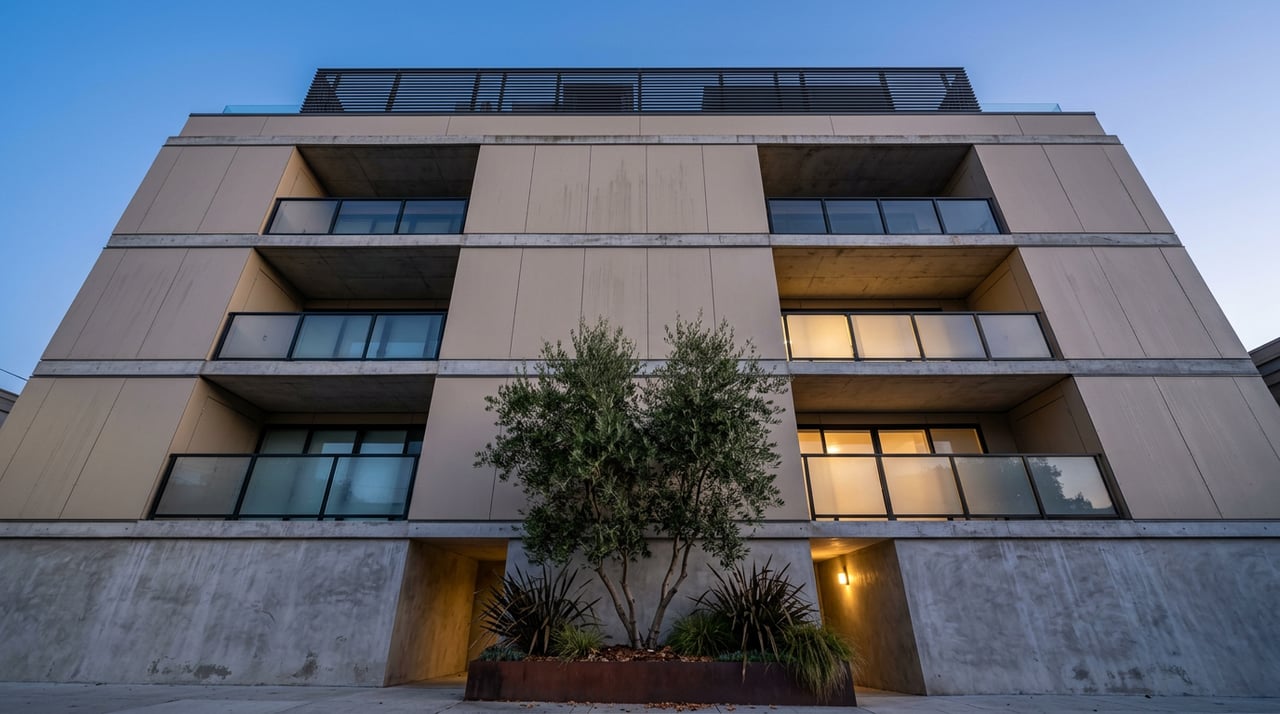
Closer to the beach and bay, the housing pattern leans more heavily toward condos, apartments, and other multi-unit properties. Areas along Sail Bay, Grand, Hornblend, and Lamont include medium-density housing, while the highest densities are found in multi-unit condos and apartments.
For buyers who want lower-maintenance living or a lock-and-leave coastal property, this can be a major plus. It also means inventory in Pacific Beach often includes options for different budgets and lifestyle needs.
In the hills and northeastern parts of the community, the city maps more very low- and low-density single-family housing. These sections can feel more traditionally residential and less compact than the blocks closer to the shoreline.
If you are looking for a detached home in Pacific Beach, these inland pockets may offer the best match. They still keep you connected to the neighborhood’s coastal lifestyle without placing you in the busiest areas.
Much of Pacific Beach was built out after 1930, so many homes reflect older coastal housing stock. In practical terms, that often means a mix of original homes, remodeled properties, and infill development.
For buyers, this creates both opportunity and homework. Some homes may offer charm and strong location value, while others may need updates or careful evaluation before you move forward.
If your ideal routine includes easy access to the beach, Pacific Beach delivers. The neighborhood offers shoreline access, public parking lots, restrooms, showers, volleyball, fishing, surfing, swimming, and year-round lifeguard service.
That kind of access shapes daily life in a real way. You are not just near the ocean in Pacific Beach. In many parts of the neighborhood, the beach becomes part of your regular routine.
Beyond the sand, Pacific Beach has a strong lineup of public amenities. The city lists Pacific Beach Recreation Center, Pacific Beach Community Park, Palisades Park North and South, Kate Sessions Park, and the Pacific Beach/Taylor Library among the area’s key resources.
The recreation center includes courts, a field, gyms, meeting rooms, and a weight room. For many residents, these kinds of amenities help balance the neighborhood’s visitor-driven energy with practical, everyday usefulness.
North Pacific Beach has its own feel within the broader community. The city describes the Tourmaline Surfing Park area as heavily used year-round by surfers, kite surfers, and sailboarders, with public parking, showers, and restrooms available.
If surf culture is part of the lifestyle you want, this part of Pacific Beach may stand out. It offers a more specific coastal identity that appeals to buyers who want regular access to the water and wave-oriented recreation.
To the south, Mission Bay Park adds even more outdoor appeal. The city describes it as the nation’s largest aquatic park of its kind, which gives Pacific Beach residents another major waterfront amenity close to home.
That matters if you want more than oceanfront living alone. In Pacific Beach, you are also near bayfront recreation, open space, and a different kind of water access.
Pacific Beach offers public transportation, but it still functions like a coastal neighborhood where traffic and parking can shape your daily experience. MTS routes 8, 9, 27, and 30 serve the area and connect residents to places like Old Town, Balboa Avenue Transit Center, SeaWorld, Kearny Mesa, and UTC.
That gives you real transit options, especially if you prefer not to drive every trip. Still, most buyers should go in with realistic expectations about congestion in busier parts of the neighborhood.
The city’s planning materials specifically point to traffic and summer congestion as key challenges in Pacific Beach. Parking pressure near the beach and bay is also an ongoing issue, especially in the blocks closest to the sand and the Garnet and Mission corridor.
This is one of the biggest quality-of-life factors to think through before buying. If you want to walk to the beach every day, you may be comfortable with the activity. If you want a quieter arrival home at the end of the day, a more inland location may suit you better.
Pacific Beach’s beach and boardwalk areas are heavily shared public spaces, and local rules help manage that. The city notes restrictions on alcohol, glass containers, smoking, littering, and overnight camping in beach-adjacent areas, along with daytime dog restrictions and an 8 mph speed limit on the Mission Beach and Pacific Beach boardwalk.
For residents, these rules are not just technical details. They affect how the waterfront feels and functions year-round.
Pacific Beach can be a great fit if you want an energetic coastal lifestyle and do not mind some seasonal intensity. It is especially appealing if you want beach access woven into daily life, value a broad housing mix, and enjoy a neighborhood with strong recreational amenities.
At the same time, it is smart to think carefully about your tolerance for summer crowds, parking friction, and a busier street scene near the coast. In Pacific Beach, lifestyle fit often comes down to choosing the right pocket, not just the right property.
Pacific Beach is best described as an energetic coastal neighborhood with a clear split between lively waterfront blocks and quieter inland residential areas. That variety is part of its strength because it gives buyers several ways to experience the same community.
If you are considering a move to Pacific Beach, it helps to compare not just price and property type, but also traffic patterns, block location, housing style, and how you want your everyday routine to feel. When you match those details well, Pacific Beach can offer a very enjoyable version of coastal San Diego living.
If you want help evaluating Pacific Beach homes, condos, or investment opportunities with a steady local perspective, reach out to Donna Seals for experienced guidance tailored to your goals.
Exceeding expectations and making your real estate experience smooth, successful, and truly rewarding.
DONNA MARIE SEALS | CA DRE# 00918036
ADDRESS 4125 MISSION BLVD SAN DIEGO CA 92109