Torn between a condo or a townhome in Encinitas? You are not alone. Both options offer coastal convenience, but the day-to-day lifestyle, monthly costs, and long-term flexibility can be very different. In this guide, you will compare space, HOA rules, insurance, financing, and coastal risks, then walk away with a simple checklist to make a confident choice. Let’s dive in.
Encinitas market snapshot
Encinitas runs above broader county averages because of its coastal setting and steady demand. Countywide, attached homes such as condos and townhomes post medians in the high hundreds of thousands, according to the Greater San Diego Association of REALTORS. You can review the latest county context in the association’s news and press materials.
Within Encinitas, listing snapshots often show townhomes in the high six figures to low seven figures, with prices and competition tighter near the water and slightly more options inland. Because micro-markets shift block by block, it is smart to check current MLS data for the exact neighborhood you are targeting.
Condo vs townhome: what you actually get
Space and layout
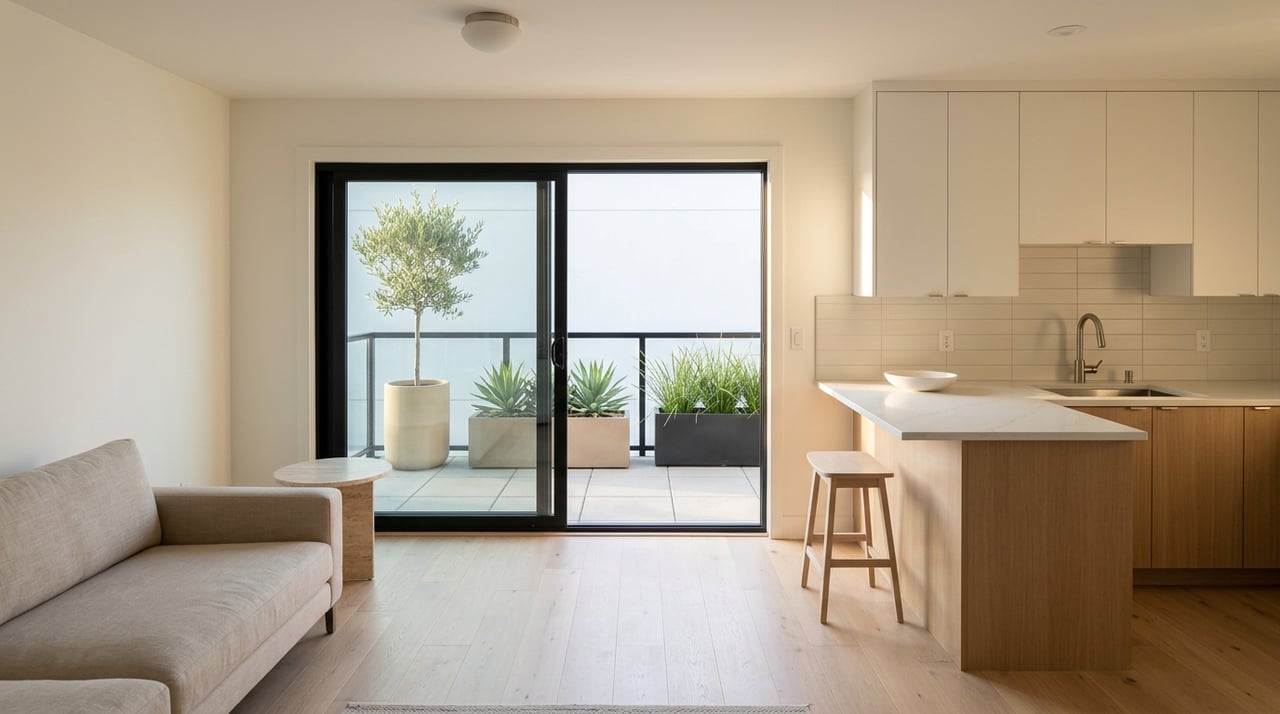
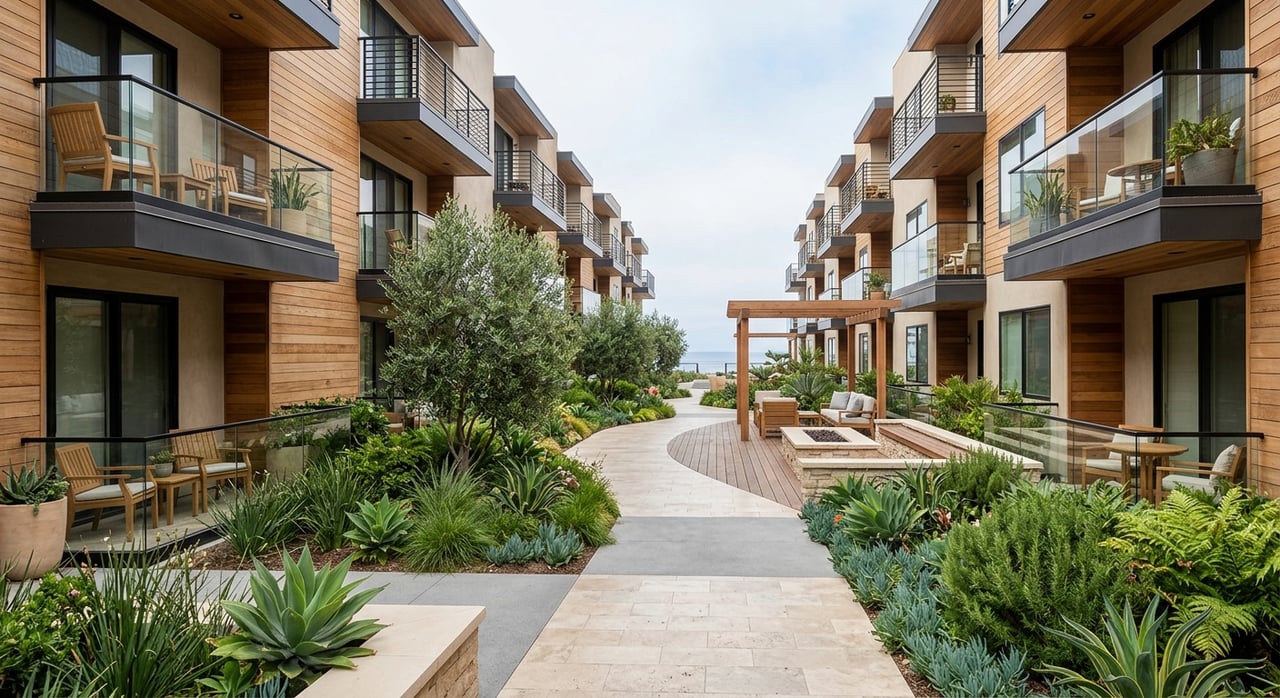
- Condos: You typically own the interior of your unit, while the association owns and maintains the exterior and common areas. Condos often come as single-level units in low to mid-rise buildings and emphasize low maintenance and shared amenities. Learn the basic differences in this concise condo vs townhome overview.
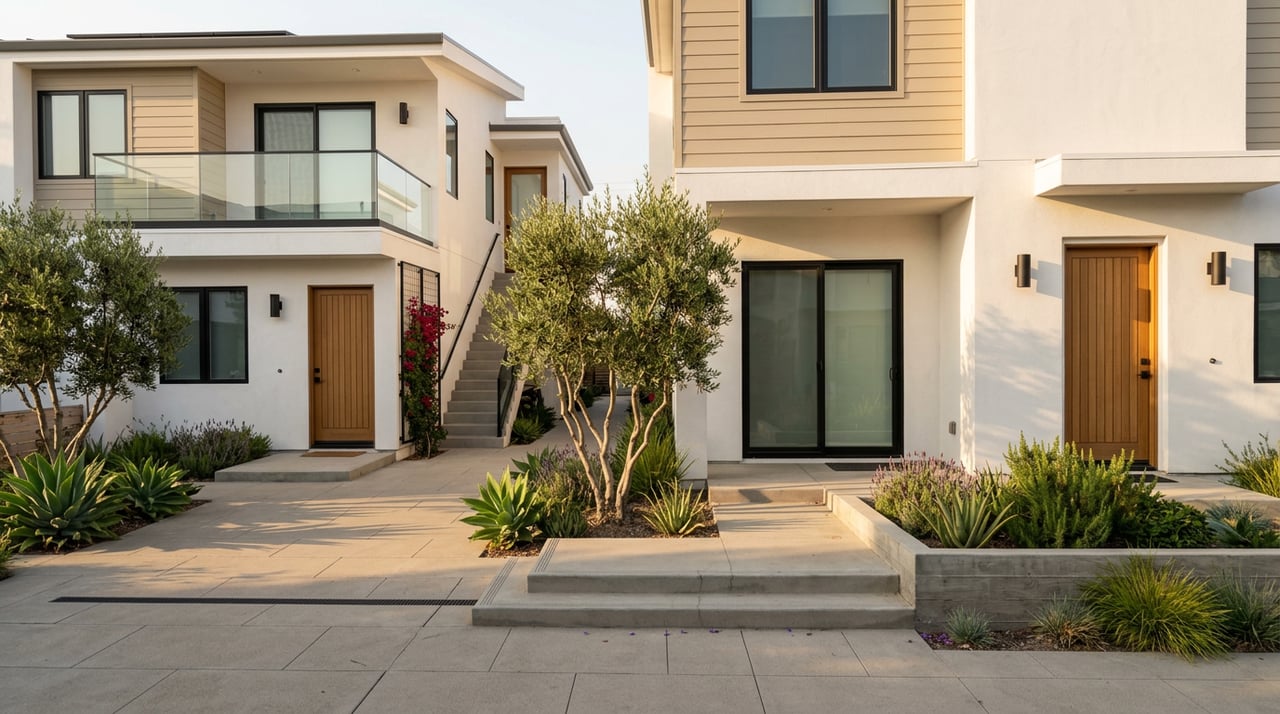
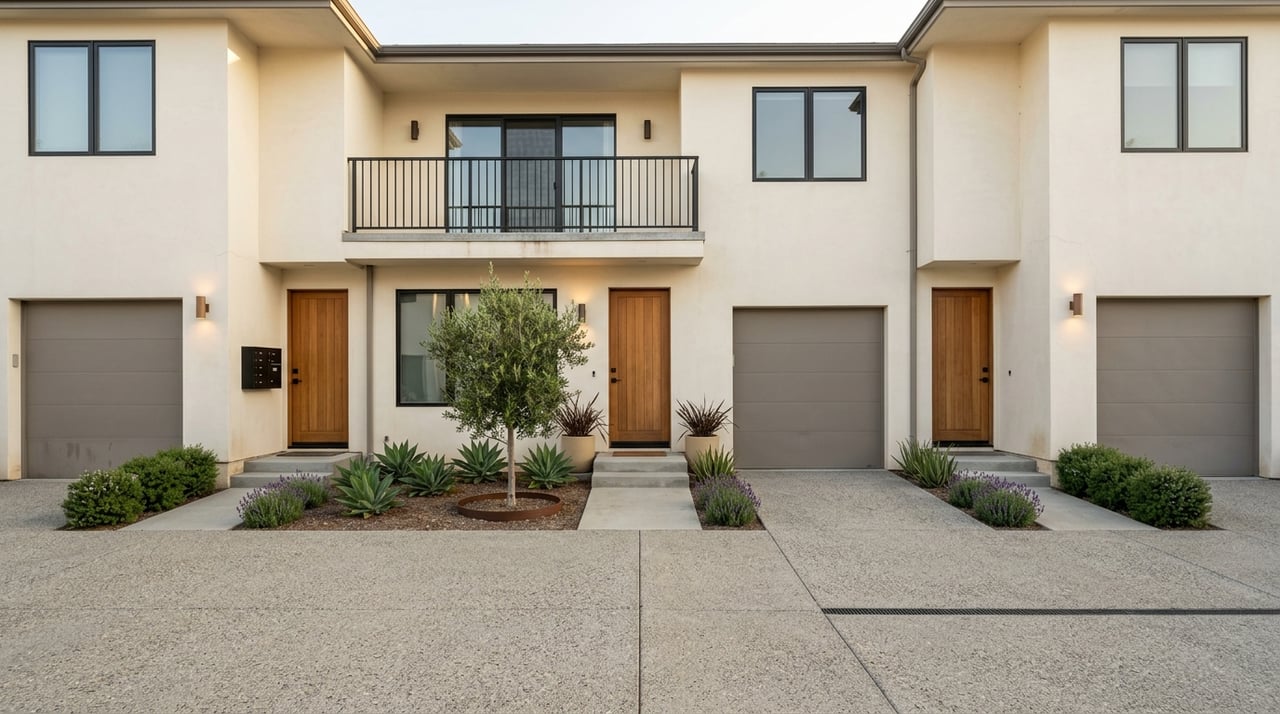
- Townhomes: Expect multi-level living, a more house-like feel, and often a private garage and small patio or yard. Title matters. Some townhomes are fee-simple, which can place more maintenance on you, while others are condo-titled with the association handling exteriors. Read the title and CC&Rs to see who maintains roofs, driveways, and fences.
Outdoor space and parking
- Condos usually offer a balcony or small patio and assigned or subterranean parking. Private yard space is uncommon in ocean-adjacent buildings.
- Townhomes are more likely to have a private garage and usable outdoor space that works for everyday coastal living. Confirm in the CC&Rs whether the HOA or the owner maintains landscaping.
Noise and privacy
- Condos have more vertical neighbors and shared hallways. Ask about floor and ceiling construction and review HOA minutes for noise-related complaints.
- Townhomes, especially end units, can feel more private, though you still share at least one wall.
Typical Encinitas sizes and fees
Representative local snapshots often show smaller condos around 600 to 900 square feet with 1 to 2 bedrooms. For example, a recent 1-bedroom around 650 square feet carried an HOA in the mid-$500s per month. Mid-range townhomes commonly run 1,100 to 1,700 square feet with 2 to 3 bedrooms, a 1 to 2 car garage, and HOA dues often in the $400 to $600 range. Actual figures vary by community age, amenities, and current reserve needs.
HOA health, reserves, and rules you must check
Why reserves and disclosures matter
California’s Davis-Stirling Act requires associations to visually inspect major components and prepare a reserve study at least every three years, with annual budget disclosures to owners. This is one of your best safeguards as a buyer because it shows whether the HOA is setting aside funds for roofs, paving, and major systems. Review Civil Code requirements and disclosures in Civil Code §5550.
Request the full resale packet early in escrow. Key items to review include:
- CC&Rs, bylaws, and operating rules
- Current budget, recent financials, and the most recent reserve study
- Board meeting minutes for the last 12 months
- Master insurance summary and deductible details
- Any special assessments, association loans, or litigation disclosures
If the reserve study shows low funding or minutes reveal delayed projects, you may see higher dues or special assessments ahead. Build that into your plan.
Insurance basics: master vs unit owner
- Condos: The HOA master policy usually insures the building shell and common areas. You will carry an HO-6 unit-owner policy to cover interior finishes, personal property, liability, and often loss assessment coverage to help with HOA deductibles or special assessments. Confirm whether the master policy is bare-walls-in or walls-in so you know where your coverage starts. The California Department of Insurance offers helpful consumer guidance on policy types in its homeowners study resources.
- Townhomes: If fee-simple, you may need an HO-3 homeowner policy because exterior elements are your responsibility. In some planned developments, the HOA covers exterior components. The CC&Rs will spell this out.
HOA dues and your monthly budget
HOA dues in Encinitas vary widely by community, age, and amenities. Many attached communities fall in the $350 to $600 per month range, with some higher or lower. Lenders count HOA dues in your monthly liabilities, so even a modest fee can change what you qualify for. Ask your lender to run a scenario with the exact HOA number.
Rental and short-term rental rules
If you plan to rent part-time or full-time, verify two layers of rules:
- City: Encinitas requires permits for short-term rentals and collects transient occupancy tax. Review the city’s short-term rental program to understand permits and compliance.
- HOA: Many associations prohibit rentals under 30 days, even if the city allows permitted STRs. For example, Encinitas Ranch CC&Rs restrict short stays. Always check the CC&Rs before you rely on rental income.
Financing differences that may decide it for you
FHA and VA considerations for condos
Condos often require project review for FHA or VA financing. If the project is not approved or has red flags like high rental percentages or active litigation, those loans may be difficult or require more stringent underwriting. You can search approval status on HUD’s condominium lookup. Fee-simple townhomes that are not condo-titled usually face fewer project-level hurdles.
Typical down payment programs
FHA commonly allows low down payment options for qualified buyers, and VA loans can allow zero down for eligible veterans, subject to program and property rules. For a quick primer, see this overview of FHA minimum down payments. In high-cost areas, confirm current loan limits and program specifics with your lender.
How HOA dues affect underwriting
Your lender includes HOA dues in your debt-to-income ratio. A $500 monthly HOA can materially reduce the purchase price you qualify for, especially at Encinitas price points. Get the exact fee from the MLS or resale packet and have your lender model monthly payments before you make an offer.
Resale and buyer pool impact
If a condo project is not FHA or VA eligible or has very high dues or low reserves, the buyer pool may shrink. That can influence time on market and resale value. Townhomes with fee-simple title and modest HOA obligations often appeal to a broader mix of buyers and lenders.
Coastal risks and what to ask for
Encinitas buyers should factor in coastal hazards, especially for ocean-facing or bluff-adjacent properties. Regional planning work highlights shoreline and bluff retreat as ongoing risks along North County’s coast. For context on coastal hazards, review Caltrans’ North Coast Corridor environmental materials in this analysis.
Local coastal rules use conservative bluff setback calculations and require geotechnical evidence that structures will remain safe for their design life. Case law has reinforced these standards. You can read a leading decision interpreting Encinitas’ bluff setback policy in the Lindstrom appellate case.
What to do if you are considering ocean-adjacent property:
- Ask for any geotechnical reports and coastal development permits on file
- Confirm whether the parcel lies within a coastal bluff or flood overlay
- Discuss flood, storm surge, and erosion risks with your insurance broker
- Understand that some types of coastal protection work can be limited by policy
How to decide: match the property to your goals
If you are a first-time buyer
- A condo or an entry townhome can offer a lower purchase price and easier upkeep.
- Check project approval early if you plan to use FHA or VA financing.
- Compare monthly cost with HOA included and verify reserves to avoid surprise assessments.
If you are downsizing
- A townhome often feels more like a house and gives you private outdoor space without full yard maintenance.
- Confirm stair layout and bedroom location if single-level living is a priority.
- Model a 10-year cost projection that includes expected HOA increases and potential special assessments.
If you are an investor
- Verify both city short-term rental permits and HOA rental rules. You need both to legally operate a short stay.
- Ask for reserve studies and minutes to gauge near-term capital projects that could impact cash flow.
- Confirm project-level financing issues that might affect your eventual exit.
Encinitas buyer checklist
Use this quick list to keep your due diligence on track. Ask your agent, escrow, or attorney to help you obtain these items before removing contingencies.
- Full HOA resale packet. Review CC&Rs, bylaws, rules, budget, recent financials, latest reserve study, board minutes, insurance summary, delinquency list, and any special assessments or loans. See California reserve rules in Civil Code §5550.
- Insurance details. Get the HOA master policy declarations and understand deductibles. For a condo, price an HO-6 with loss assessment coverage. For a fee-simple townhome, confirm HO-3 coverage needs. Use the California Department of Insurance’s consumer resources to understand coverage types.
- Rental rules. Verify the HOA’s rental caps and minimum lease terms. Review the city’s STR permit requirements on the Encinitas STR page.
- Reserve funding and projects. If reserves are low or major work is pending, expect higher dues or special assessments. Ask how near-term capital projects will be funded.
- Litigation. If the HOA has active litigation, understand scope and timing. Some lenders limit options when a project is in litigation.
- FHA and VA status. If you plan to use these programs, confirm the project on HUD’s condominium lookup.
- Physical condition responsibility. For condos, ask about recent exterior work such as roofs, decks, and siding. For townhomes, verify whether the owner or HOA maintains the roof and exterior, then inspect accordingly.
- Coastal and hazard data. For ocean-adjacent or blufftop homes, review coastal overlays, flood zones, and any geotechnical reports. Use the Caltrans North Coast Corridor resources as a starting reference and confirm parcel-specific records with the city.
The bottom line
Condos can deliver a lower entry price and lock-and-leave convenience, but they rely more on HOA financial health and project-level financing approvals. Townhomes often provide more space, a house-like feel, and private outdoor areas. Fee-simple townhomes can avoid some condo approval hurdles but may shift more exterior responsibility to you. In Encinitas, the right choice depends on how you want to live, your monthly budget with HOA included, and how much flexibility you want for rentals or future resale.
If you want a clear read on specific communities and how the HOA, insurance, financing, and coastal factors stack up, reach out to Donna Seals for a friendly, no-pressure consult. You will get local guidance, straight answers, and a plan that fits your goals.
FAQs
What is the main difference between a condo and a townhome in Encinitas?
- Condos typically offer interior-only ownership with the HOA maintaining exteriors and common areas, while townhomes often feel more like a house and may include private outdoor space and a garage. Always read the CC&Rs to confirm maintenance responsibilities.
How do HOA dues affect my loan approval when buying in Encinitas?
- Lenders include monthly HOA dues in your debt-to-income ratio. A higher dues amount can reduce the purchase price you qualify for, so get the exact figure from the MLS or resale packet and have your lender run numbers early.
Can I use an FHA or VA loan to buy a condo in Encinitas?
- Possibly, but the condo project usually needs to meet program rules. Check the project status on HUD’s condo lookup and confirm details with your lender.
What insurance do I need for a condo or a townhome?
- Condo buyers usually carry an HO-6 policy that covers interior finishes, personal property, liability, and loss assessment coverage, while fee-simple townhome owners often need an HO-3 homeowner policy. Review the HOA master policy to see where your coverage begins.
Are short-term rentals allowed in Encinitas condos or townhomes?
- Encinitas requires permits and collects transient occupancy tax for short-term rentals, and many HOAs prohibit rentals under 30 days. You must comply with both city rules and the HOA’s CC&Rs to operate legally.
What coastal risks should I consider with ocean-adjacent properties?
- Bluff erosion, flood exposure, and coastal policy constraints can impact safety, insurance, and future work on the property. Ask for geotechnical reports, confirm overlays and permits, and understand that protective coastal work can be limited by local regulation.