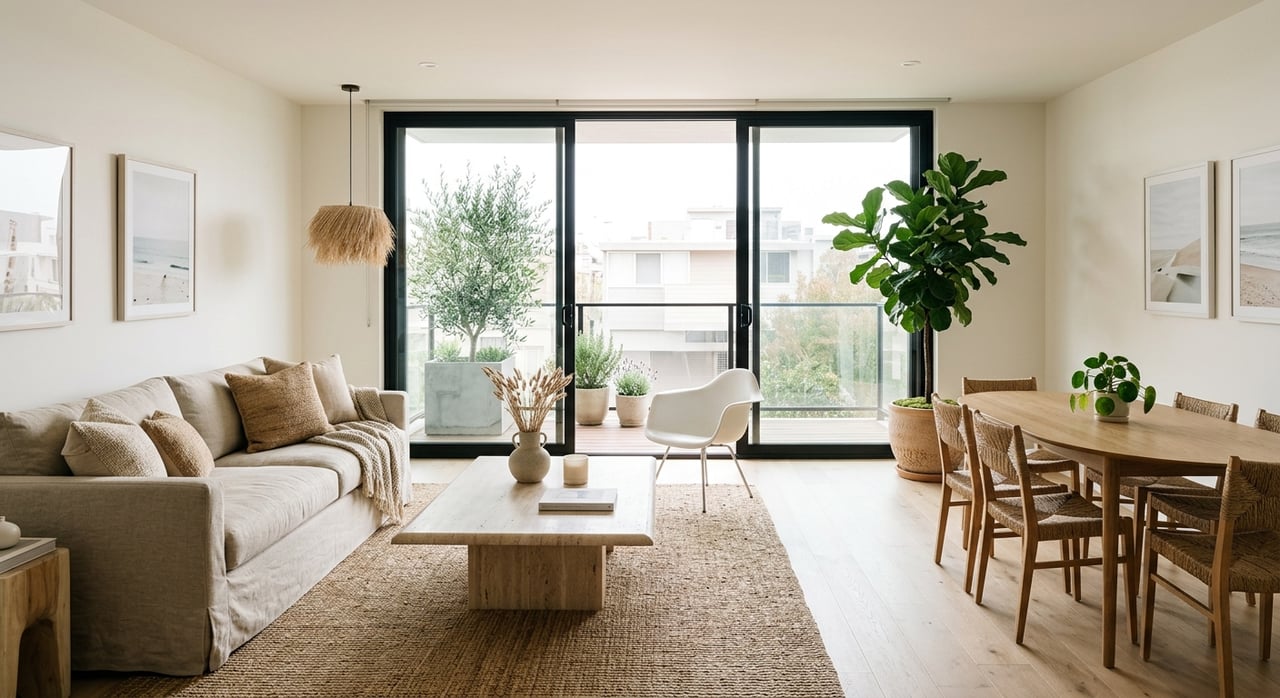
Coronado Second Home Guide: Plan Your Purchase
May 14, 2026
May 14, 2026
Buying a second home in Coronado can sound simple until you start comparing property types, monthly costs, use rules, and local approval issues. If you are hoping for a coastal retreat, a lower-maintenance lifestyle, or a long-term hold in a highly specific market, the details matter early. A smart plan can help you avoid surprises and choose a property that truly fits how you want to live and own. Let’s dive in.
Before you tour homes, get clear on what this purchase needs to do for you. Some buyers want a lock-and-leave condo for weekend stays, while others want a detached home with more privacy and space. In Coronado, that decision matters because the city includes several housing forms, including single-family homes, duplexes, townhouses, condominiums, and multi-family properties.
Coronado is not one uniform market. City planning documents show distinct residential areas with different development patterns, and that affects the kind of property you will find. In practical terms, your best fit often comes down to maintenance needs, budget, intended use, and how much flexibility you want over time.
If you want a second home that feels easy to manage, condos and townhomes are often the first place to look. They may offer a more streamlined ownership experience than a detached home, especially if you do not plan to be in Coronado year-round. That said, common-interest properties also come with HOA rules, dues, and shared governance, so lower maintenance does not always mean fewer decisions.
Single-family homes offer a different kind of ownership experience. You may have more control over the property itself, but you may also take on more direct upkeep and planning. In a coastal market, it is wise to look beyond purchase price and think about the long-term ownership rhythm that best suits your lifestyle.
Two areas deserve special attention when you are narrowing your search. The Coronado Cays is a planned residential community on the Silver Strand, and the Orange Avenue Corridor is identified by the city as a higher-density residential area. These are not interchangeable with the rest of Coronado, and buyers should expect differences in housing types, HOA structure, and availability.
The Coronado Cays is also essentially built out, according to city planning documents. That can mean limited supply in that area and fewer chances to wait for the perfect match. If a specific part of Coronado is central to your plan, it helps to understand early how tight inventory may be.
This step is one of the most important. Before you write an offer, decide whether the property will be used only by you and your household, used part-time and rented at times, or held primarily for income purposes. That choice can affect financing, taxes, ownership costs, and even whether the property fits your goals at all.
A second home is not the same as a primary residence, and it is not the same as an investment property. If your use plan is unclear when you start, it is easy to build the wrong budget or ask the wrong questions. Clarity up front can save time and frustration later.
If your plan depends on short-stay rental income, Coronado requires close attention. In residential zones, the city prohibits short-term vacation rentals, and rentals must be for at least 26 consecutive days. That means a property in a residential area is generally not the right fit if you are counting on frequent short stays to offset ownership costs.
For many second-home buyers, this is the key filter. A home that feels perfect for occasional personal use may not support the rental strategy you had in mind. It is better to address that before you fall in love with a listing.
Some buyers plan to enjoy the home part of the year and rent it at other times. If that is your strategy, your tax treatment may differ from a purely personal second home. IRS rules treat mixed-use properties differently, and rental income and expenses may need to be divided if the home is rented for 15 days or more.
This is where early planning matters. A tax professional can help you understand how your intended use lines up with reporting requirements and ownership strategy. That way, you are not trying to solve tax questions after closing.
In a market like Coronado, a simple mortgage calculator is not enough. Your full budget should include property taxes, possible HOA dues, insurance, maintenance, and local ownership responsibilities that may not show up in a casual estimate. A second home should feel manageable not just on day one, but over time.
San Diego County mails secured property tax bills in October, and taxes may be paid in two installments. The first installment is due November 1 and becomes delinquent after December 10. The second installment is due February 1 and becomes delinquent after April 10.
New owners should also be prepared for a supplemental assessment after a change of ownership or new construction. That often catches buyers off guard because it is separate from the regular annual bill. Planning for it early can help you avoid an unpleasant surprise.
If you are comparing this purchase to a primary residence, keep this in mind: San Diego County’s homeowners’ exemption applies only to a dwelling occupied as the owner’s principal residence. Vacation or secondary homes do not qualify. The savings are modest, but it is still one more reason your second-home budget should be based on the correct ownership category.
If you are considering a condo, townhome, or duplex, share that information with every lender you interview. Consumer guidance on comparing Loan Estimates notes that property taxes and HOA dues should be part of the discussion so your payment estimate is more accurate. It also notes that financing costs can vary by property type.
That means two homes with similar list prices may not carry the same monthly cost. Looking at the whole picture helps you compare options more honestly. It also strengthens your confidence when it is time to make an offer.
Some ownership costs are easy to miss in a coastal market. In Coronado, the city states that homeowner sewer laterals are the owner’s responsibility. The city also provides solid waste and recycling service through its exclusive EDCO franchise.
These items may not decide whether you buy, but they belong in your planning. A realistic budget is one of the best ways to keep a second home enjoyable rather than stressful.
A second home purchase in Coronado deserves more than a quick walk-through and a standard cost estimate. Because the city has a built-out coastal land pattern and distinct residential subareas, buyers should confirm not only condition but also use restrictions, permit implications, and community rules. The goal is to understand what you are buying today and what ownership may look like later.
This matters even more if you are buying from out of area. Local details can affect your timeline, your renovation plans, and your long-term flexibility.
If the property is in a condo, townhome, or other common-interest development, review the HOA budget, assessments, CC&Rs, and reserve-related materials carefully. California Department of Real Estate guidance notes that HOA assessments can materially affect a buyer’s financial qualifications. The governing documents also bind the units in the subdivision.
In plain terms, you are not just buying the interior space. You are also buying into a shared set of rules and financial obligations. Those documents deserve close review before you commit.
Coronado’s Building Services resources link FEMA Flood Insurance Rate Maps. For coastal and bayfront properties, flood-risk implications should be verified on a property-specific basis before you finalize a purchase. Even within the same city, risk can vary by location.
This is one of those issues that is best handled early. If insurance or risk exposure could change your comfort level, you want that information before contingencies are removed.
If you are drawn to an older home or a property with architectural character, check historic status early. Coronado requires a Determination of Historic Significance Review for some older structures, and exterior modifications to designated historic resources can require a Historic Resource Alteration Permit. If you are thinking about remodeling, that can affect your planning and timeline.
This does not mean older properties are off the table. It simply means your due diligence should match the type of home you are considering. The more clearly you understand the approval path, the better your purchase decision will be.
A strong second-home purchase plan usually involves three early conversations. You will want a lender to classify the property correctly, a tax professional to help model the tax treatment based on your intended use, and a local real estate agent to guide you through neighborhood, HOA, tax, and property-specific questions. When those conversations happen early, your offer strategy is usually stronger and your surprises are fewer.
This is especially important in Coronado, where property types, use rules, and local conditions can vary from one area to another. A clear plan can help you move with confidence instead of reacting to issues late in the process.
With more than 40 years of experience and a steady, client-first approach, Donna Seals helps buyers think through the real-world side of coastal ownership, from property type and long-term fit to negotiation and closing details. If you are planning a second home purchase in Coronado and want calm, practical guidance, connect with Donna Seals.



Exceeding expectations and making your real estate experience smooth, successful, and truly rewarding.

DONNA MARIE SEALS | CA DRE# 00918036
ADDRESS 4125 MISSION BLVD SAN DIEGO CA 92109