Pacific Beach Condo Guide for Townhome and Condo Buyers
June 11, 2026
June 11, 2026
Buying a condo or townhome in Pacific Beach can feel simple at first glance. You see the beach, the walkable streets, and the easy coastal lifestyle. Then the real questions start: How old is the building, what do the HOA rules actually mean, and how hard will parking be on a summer weekend? This guide will help you sort through those details so you can buy with more clarity and less stress. Let’s dive in.
Pacific Beach sits on San Diego’s western edge, with I-5 to the east, the Pacific Ocean to the west, Mission Beach and Mission Bay to the south, and La Jolla to the north. The city describes it as a community of nearly 47,000 residents, about 1,500 businesses, and more than two miles of shoreline. It is also one of San Diego’s busiest beach areas during summer, which shapes daily life for owners.
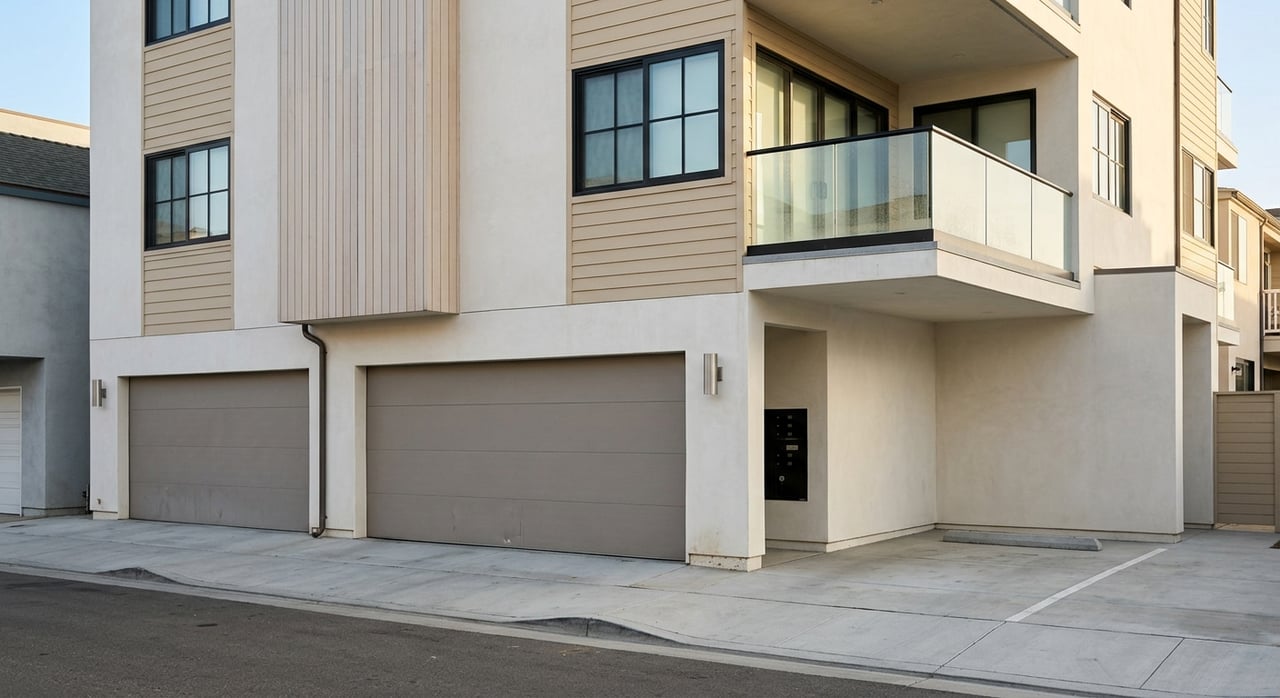
Most of Pacific Beach was built out after 1930, and today it is a mix of established coastal streets, commercial corridors, and newer infill. That means you should not expect one standard condo product across the neighborhood. Instead, you will likely see a blend of older low-rise buildings, attached townhome-style homes, and newer multifamily projects near major corridors.
As you search listings, you will keep seeing location references like Garnet Avenue, Grand Avenue, Mission Bay Drive, Balboa Avenue, and Ingraham Street. These corridors matter because they influence access, traffic flow, parking patterns, and how connected a property feels to the beach or the commercial core. In a built-out coastal neighborhood like Pacific Beach, even a few blocks can change your day-to-day experience.
Many buyers in Pacific Beach start with older low-rise condo buildings near established beach streets. These properties can offer a classic coastal location and often place you closer to the sand, shops, and restaurants. At the same time, older buildings may require more HOA diligence because deferred maintenance, reserve funding, and inspection history can affect your future costs.
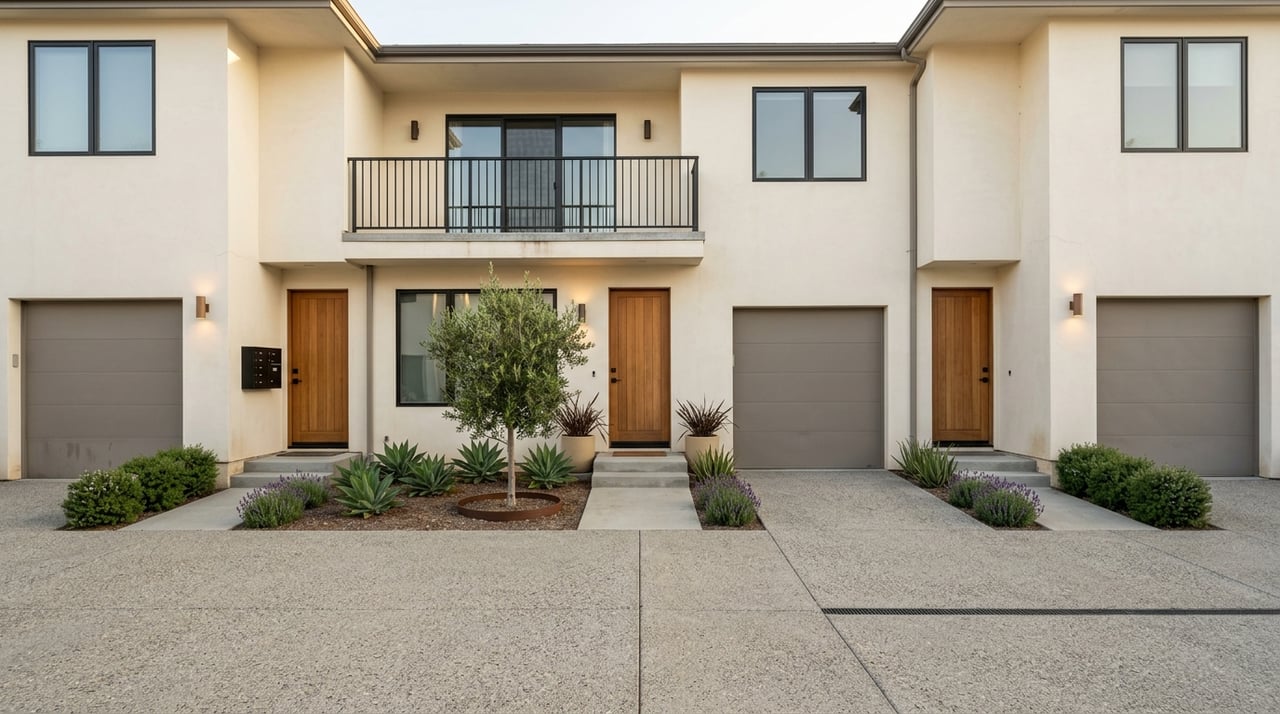
Townhome and row-home style properties are another common option. These homes often appeal to buyers who want a bit more separation, multi-level living, or a smaller shared-building footprint than a traditional condo project. The tradeoff can be a different HOA structure, different parking setup, and different rules for exterior elements and maintenance responsibilities.
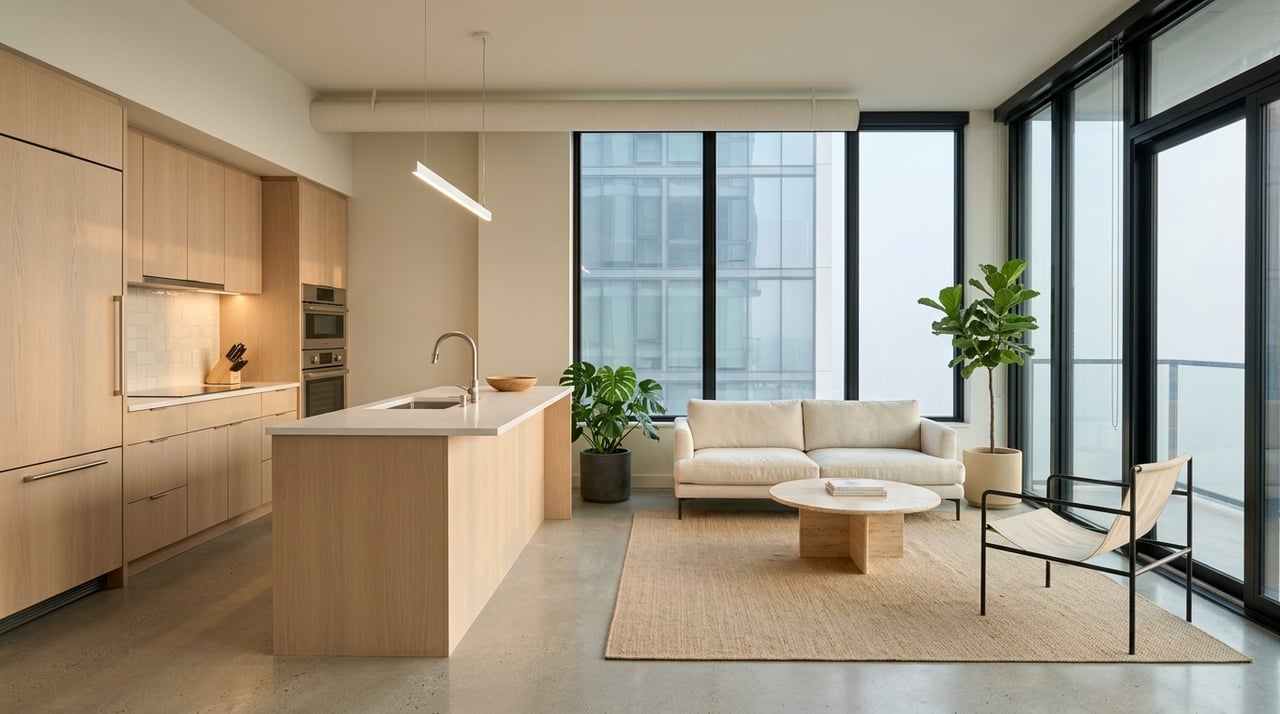
Pacific Beach also includes newer or recently approved multifamily infill near transit and commercial corridors. This pattern reflects the neighborhood’s planning framework and redevelopment activity. Newer communities may offer updated layouts and amenities, but you still need to review building rules, parking, and entitlement limits before assuming flexibility for future changes.
Pacific Beach includes areas affected by local zoning and overlay rules, and those rules can matter more than buyers expect. For example, a recent multifamily project in the area sits within the Coastal Overlay Zone, Coastal Height Limitation Overlay Zone, Parking Impact Overlay Zone, Parking Standards Transit Priority Area, and Transit Priority Area. While every property is different, this is a useful reminder that building-specific rules can shape what owners can do over time.
If you are thinking about remodeling, reconfiguring space, or changing how a unit functions, it is smart to verify what approvals may be required. The City of San Diego notes that a project within the Coastal Overlay Zone may require a Coastal Development Permit before a construction permit is issued. In practical terms, that means you should confirm the rules for the specific building instead of assuming a future update will be easy.
In California, the HOA is not a side detail. It is part of what you are buying when you purchase a condo or townhome in a common-interest development. The HOA controls rules, manages common areas, and can directly affect your monthly costs, your ability to rent, and your future resale position.
Sellers are required to provide a set of HOA-related documents that help you understand those risks and responsibilities. These documents can include governing documents, disclosures about assessments and reserve funding, any approved but not yet due assessment changes, any rental restriction statement if one exists, requested board minutes, and the most recent exterior elevated elements inspection report when applicable. That package tells you a great deal about how the building operates and where future costs may be headed.
One of the most important parts of the HOA review is the reserve funding disclosure. California requires annual budget materials that include an insurance summary and a reserve funding disclosure summary based on the most recent reserve review or study. The reserve summary must reflect cash or cash-equivalent reserve assets.
For you as a buyer, this matters because reserve strength can hint at future assessment pressure. If reserves appear thin relative to likely building needs, you may be looking at a higher chance of special assessments or rising dues. In an older coastal building, that question becomes even more important.
Approved but not yet due assessment changes can affect your cost of ownership soon after closing. Requested board minutes can also reveal whether the HOA has been discussing repairs, disputes, or recurring maintenance issues. These records do not tell you everything, but they can help you spot patterns before you commit.
California Civil Code section 5551 requires condominium associations to inspect a statistically significant sample of exterior elevated elements at least once every nine years. In a coastal market, this can be highly relevant because balconies, decks, stairs, and walkways may face wear over time. If a building includes these features, you will want to understand the inspection history and whether repairs are planned or pending.
If you hope to rent out your Pacific Beach condo or townhome, you need to review two separate rule sets. First, there are the HOA’s rental restrictions. Second, there are the City of San Diego’s short-term residential occupancy rules.
For stays under one month, the city requires an STRO license. The city also states that a host may hold only one license at a time and may not operate more than one dwelling unit for STRO at a time. Even if city rules allow a use, the HOA may still limit or prohibit it, so both layers must be checked.
This is one area where buyers can get into trouble by relying on assumptions. A property that looks like a great part-time rental candidate may not fit your plans once you review the governing documents and city requirements together. If rental flexibility matters to you, make it a top priority early in the search.
Parking is one of the biggest practical issues in Pacific Beach. The neighborhood has its own Community Parking District, created to improve safety and access while developing parking and transportation strategies. The city says meters have been installed on Garnet Avenue between Mission Boulevard and Fanuel Street and on some blocks of Cass, Hornblend, and Bayard streets.
That matters because a listing’s location can feel very different in person than it does on a map. If you are close to the beach or near active commercial streets, you may deal with heavier visitor traffic and tighter parking conditions. A dedicated parking space can be more than a convenience. It can be a major quality-of-life feature.
City parking rules also affect everyday ownership. Vehicles may not be parked continuously on a public roadway for more than 72 hours. The city also notes that parking meter rates and hours can change over time, and in 2025 the city increased most meter prices to $2.50 per hour and later announced longer hours and Sunday operation for Pacific Beach meters. That is why it is important to verify posted signs on the specific block rather than assuming a familiar pattern.
If you are buying a second home or lower-maintenance coastal property, focus on the features that support easy ownership:
If you plan to live in the home full time, add a few more quality-of-life filters:
Pacific Beach offers a strong lifestyle draw, and that is a big reason buyers are willing to compete for well-located condos and townhomes. The area has a permanent lifeguard station, public transportation access, public parking, and a shoreline that attracts large summer crowds. For many buyers, being close to the sand is exactly the point.
Still, convenience comes with tradeoffs. Buildings closer to the beach may also experience more traffic, visitor parking pressure, and noise exposure. A smart purchase is not just about getting near the coast. It is about choosing the block, building, and HOA setup that best match how you want to live.
When you compare Pacific Beach condo and townhome options, a simple checklist can help you stay grounded:
A checklist like this keeps emotion from driving the whole decision. That matters in Pacific Beach, where lifestyle appeal is high and details can make a major difference after closing.
The best condo or townhome purchase is not always the one that photographs best. It is the one that fits your budget, your intended use, and the realities of the building. With experienced guidance and careful review, you can find a Pacific Beach property that supports both your lifestyle and your long-term goals.
If you want a steady, experienced guide as you compare Pacific Beach condos and townhomes, Donna Seals is here to help you evaluate the details, protect your interests, and move forward with confidence.
Exceeding expectations and making your real estate experience smooth, successful, and truly rewarding.

DONNA MARIE SEALS | CA DRE# 00918036
ADDRESS 4125 MISSION BLVD SAN DIEGO CA 92109