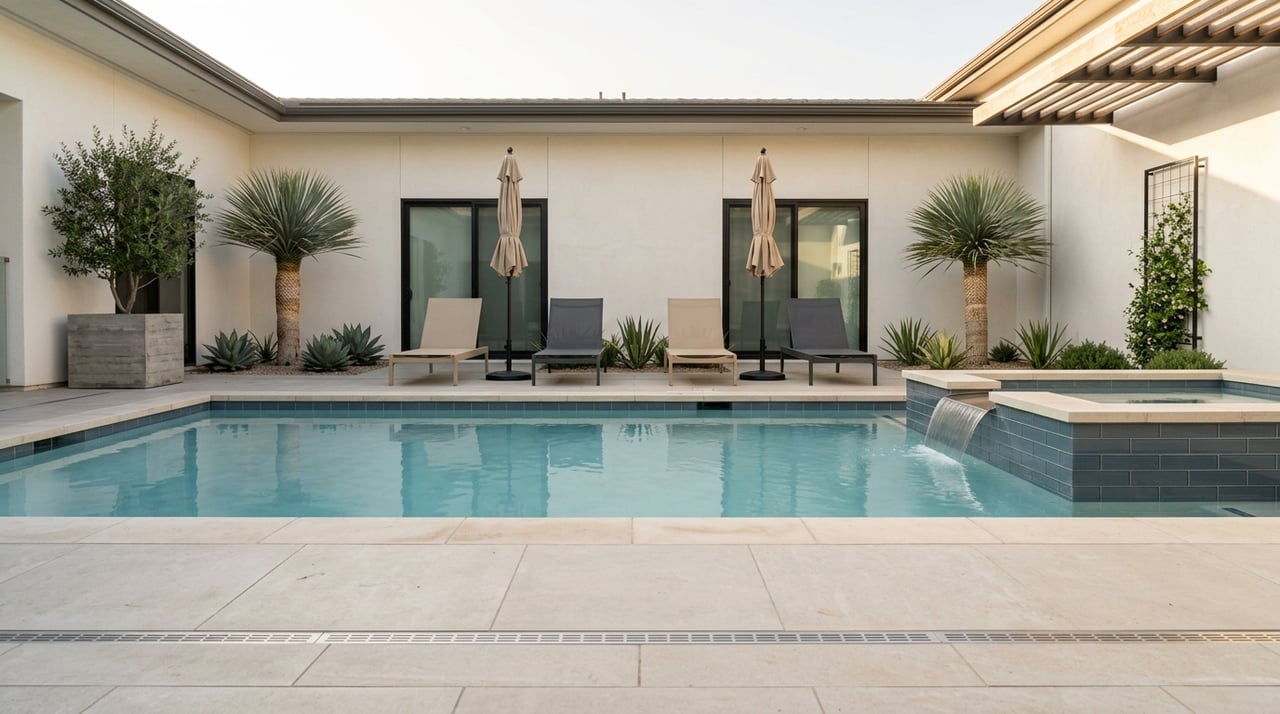
San Marcos HOA Amenities: How to Compare Communities
July 23, 2026
July 23, 2026
Shopping for a condo or townhome in San Marcos? One of the biggest mistakes buyers make is looking at the HOA fee without looking closely at what that fee actually buys. If you are comparing communities, the real value is in the details: amenities, services, reserves, insurance coverage, and the possibility of added costs later. This guide will help you understand how HOA amenities work in San Marcos communities so you can compare options with more confidence. Let’s dive in.
In San Marcos, many condos and townhomes are part of a common interest development, often called a CID. That usually means you own your home or lot and also gain the right to use shared spaces and facilities within the community.
In California, HOA membership typically transfers automatically with the property. HOA dues are generally paid directly to the association, not rolled into your mortgage payment. That makes it especially important to understand the fee structure before you buy.
Not all HOA communities offer the same type of lifestyle or the same level of service. In San Marcos, public examples show a wide range, from simple shared recreation to full-service living with hospitality-style benefits.
That means two communities with very different dues may both make sense, depending on what is included. The key is to compare fee versus services, not just fee versus fee.
Lake San Marcos Community Association offers a useful example of a lower-cost membership structure. New residents can join for $78 per year, and the association also notes that homeowners pay separate assessments tied to recreation facility leases.
Its recreation offerings include an executive golf course, a championship golf course, a clubhouse, billiard rooms, four tennis courts, three paddle tennis courts, two swimming pools, and a lakefront area with boat docks and rentals. This shows how a community can offer broad recreational access while keeping annual membership separate from other ownership costs.
Some San Marcos communities offer what many buyers expect in a condo or townhome setting. Campana at Rancho Coronado, for example, describes a landscaped gated community with a pool, spa, and tot lot, along with board oversight by elected members.
This type of setup is often more about common-area living and routine maintenance than all-inclusive service. For many buyers, that can be a practical middle ground between affordability and convenience.
At the other end of the spectrum, Chateau Lake San Marcos shows how dues can rise when the HOA covers much more than maintenance. Its published move-in guide lists one meal per day, housekeeping every other week, linen service, free scheduled transportation, exercise classes, events and lectures, a fitness center, pool, spa, putting green, library, beauty salon, dog park, and membership to Lake San Marcos Lake & Lodge.
The same guide says the HOA also covers water, trash, gas, grounds maintenance, landscaping, custodial support, on-site maintenance, and insurance on the common areas. Its 2026 monthly HOA fee ranges from $2,705 to $4,254 depending on floor plan and occupancy. That is a strong reminder that higher dues can reflect a very different service model.
In many San Marcos communities, dues commonly help pay for:
In communities with a broader service package, dues may also include:
Because inclusions vary so much, you should always ask for a clear breakdown of what the monthly or annual fee covers.
A common misunderstanding is that HOA dues cover everything tied to the property. In reality, they often do not cover an owner’s personal insurance needs or every repair inside the unit.
California law requires an insurance summary in the annual budget report, but that summary is not a substitute for the full policy. It also may not cover your personal property, your upgrades, or your full deductible exposure. Chateau Lake San Marcos specifically advises homeowners to carry an HO-6 condo policy.
Amenities may look great on paper, but day-to-day use often depends on the community’s operating rules. That is why buyers should look beyond the pool, spa, or clubhouse and review how the HOA manages parking, access, and shared spaces.
Laurel & Magnolia in Old Creek Ranch is a good example. The community highlights amenities like a spa, pool, firepit, and gathering areas, but it also requires garage parking, annual vehicle registration, and a $240 annual permit fee for eligible non-garage parking.
That does not make the community better or worse. It simply shows why rules and added fees should be part of your comparison when deciding whether a neighborhood fits your lifestyle and budget.
Even well-managed communities can face costs that regular dues do not fully cover. When that happens, the HOA may approve a special assessment.
Laurel & Magnolia publicly noted a $2,000 special assessment per address for full insurance coverage because the policy premium exceeded what regular monthly dues could support. This is exactly why buyers should review both the current budget and any recent notices before making an offer.
If you want to know whether an HOA seems prepared for future repairs, start with the reserve materials. In California, the annual budget report must be distributed 30 to 90 days before the end of the fiscal year and must include a pro forma operating budget, reserve summary, reserve funding plan, expected special assessments, outstanding loans, and an insurance summary.
The reserve study itself must be updated at least every three years and reviewed annually. The reserve summary should show replacement costs, remaining useful life, funded percentage, and per-unit reserve deficiency. Those details can help you understand whether the community is planning ahead or may be more vulnerable to future assessment pressure.
A public budget example from Lake San Marcos Community Association gives a helpful look at the kinds of line items you may see. Its 2024 to 2025 report budgeted member dues at $65,500, showed actual dues income of $58,162.76, and listed actual expenses of $98,006.24 against a budget of $100,834.
The report breaks expenses into categories such as printing and postage, computer and software costs, office facilities, payroll and taxes, insurance and legal, and miscellaneous items. Reviewing this type of report can help you see where dues are going and whether the budget reflects the community’s actual operating needs.
In San Marcos, some buyers may also need to account for Community Facilities District charges, often called Mello-Roos. The City of San Marcos says these districts are used to finance public facilities and services, and the taxes are typically collected on the property tax bill as fixed-charge assessments.
The city also notes that service CFDs may continue indefinitely and can increase annually by up to 2% or CPI, depending on the district. That means your total monthly housing cost could include a mortgage, HOA dues, and CFD or Mello-Roos taxes at the same time.
Before you buy into an HOA community in San Marcos, ask for the documents and answers that help you see the full picture. A little homework upfront can protect you from surprises later.
Here are some smart questions to ask:
These questions can help you compare communities on more than appearance alone. They also give you a better sense of the long-term carrying cost of the property.
The best HOA for you depends on what you value most. Some buyers want a simple amenity package with lower fees, while others prefer a higher-service environment that reduces day-to-day responsibilities.
Either approach can work if the costs, services, and rules match your goals. What matters most is understanding what you are paying for and whether the community’s budget, reserves, and operating structure support that value over time.
When you are evaluating condos or townhomes in San Marcos, it helps to have an experienced guide who can help you look past the headline fee and focus on the bigger picture. If you want clear, practical help comparing communities and ownership costs, reach out to Donna Seals for trusted guidance.


Exceeding expectations and making your real estate experience smooth, successful, and truly rewarding.

DONNA MARIE SEALS | CA DRE# 00918036
ADDRESS 4125 MISSION BLVD SAN DIEGO CA 92109