Wondering why two similar Downtown San Diego condos have very different HOA fees? You are not alone. In high-rise and mid-rise buildings, what you pay each month depends on building systems, amenities, and how well the association manages money. In this guide, you will learn what HOA fees cover, how to read the financials, and the red flags to watch before you write an offer. Let’s dive in.
What HOA fees cover in Downtown San Diego
HOA fees fund the day-to-day operation of the building and long-term repairs. In downtown towers and mid-rises, those needs can be complex and ongoing. Your fee supports services, insurance, and reserves that protect your building and your investment.
Common line items you will see
- Operating expenses: management company, admin, common area utilities, janitorial, landscaping, elevator maintenance and testing, pool and spa service, security or concierge, trash and recycling, pest control, common-area HVAC.
- Maintenance and repairs: routine fixes, roof and gutter service, exterior cleaning, parking structure upkeep.
- Insurance: the master association policy for the building shell and common areas. Owners still need an HO-6 policy for interiors and personal property.
- Reserves: planned savings for big-ticket replacements like roofs, elevators, façades, paving, and mechanical systems.
- Misc and offsets: contingency line items, possible income from parking or storage, interest, and fines or late fees.
Local cost drivers downtown
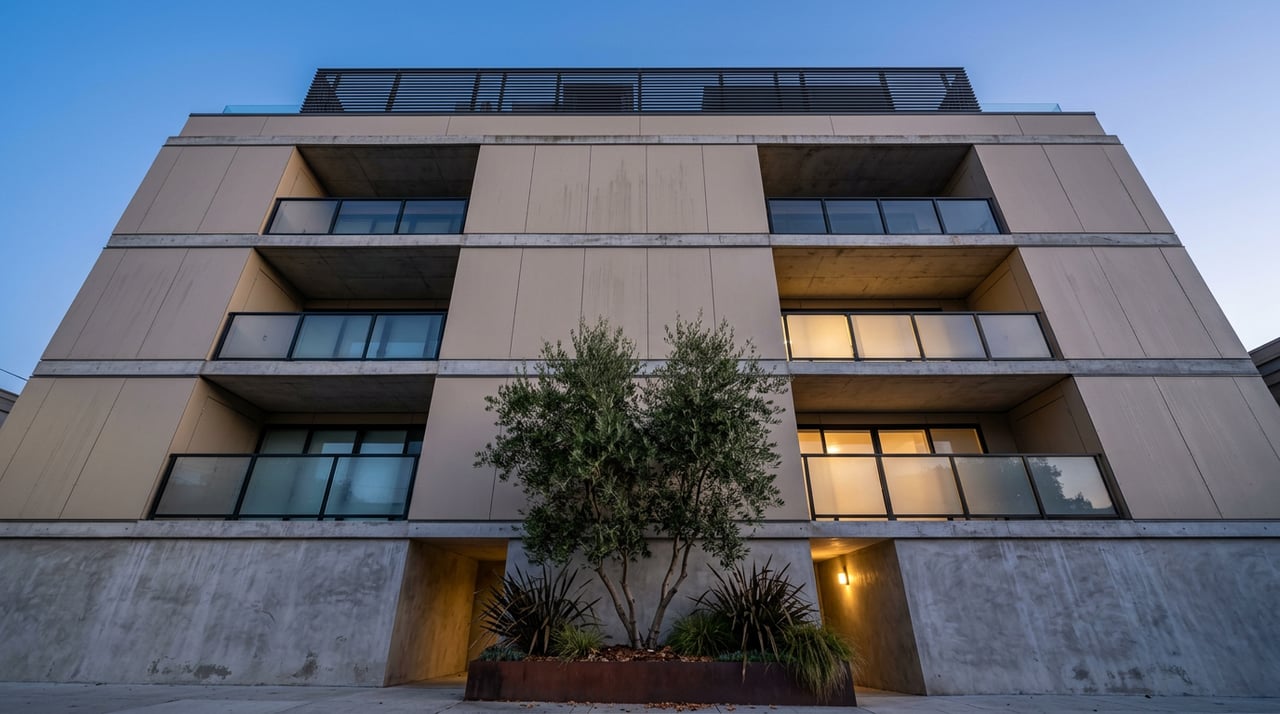
- Building type: high-rise concrete towers often carry higher costs for elevators, façade care, and seismic considerations than low-rise wood-frame buildings.
- Amenities: concierge, full-time security, pools, gyms, rooftop decks, valet, and guest parking increase staffing and operating costs.
- Parking: assigned spaces may be included, added, or leased. Parking scarcity downtown can affect budgets and owner expenses.
- Climate exposure: waterfront and coastal conditions raise the stakes for corrosion control and waterproofing.
- Utilities and insurance: some HOAs include water, sewer, and trash; earthquake or flood coverage varies by building.
Compare fees the right way
Do not compare HOA fees by monthly dollar amount alone. Services and coverage vary widely from building to building. A high-rise with 24-hour security and multiple elevators will not price the same as a modest low-rise with minimal amenities.
- Use the HOA fee per square foot: divide the monthly fee by the unit’s living area to normalize comparisons across buildings.
- Check what the fee includes: water, sewer, trash, parking, and onsite staff can shift the value of a higher fee.
- Look at building age and systems: newer towers may have higher amenity costs but better-planned reserves; older buildings may carry upcoming capital projects.
How to read the HOA financials
Review the association’s budget, reserve study, and recent financials before you commit. These documents show whether the HOA is planning ahead or kicking the can down the road.
Documents to request
- Current annual operating budget and year-to-date financials
- Most recent reserve study and reserve account statement
- Delinquency report and collection policy
- Board and membership meeting minutes for the last 12 to 24 months
- Notices of special assessments or pending capital projects
- Master insurance declaration page and owner insurance requirements
- CC&Rs, Bylaws, and Rules and Regulations
What to look for
- Operating surplus or deficit: recurring deficits suggest the HOA may be using reserves to cover daily costs, which is a warning sign.
- Reserve funding level: compare the reserve study’s recommendations to current savings and annual contributions. Very low reserves relative to planned needs increase special assessment risk.
- Delinquency rate: a high rate of unpaid dues strains cash flow and can lead to assessments or borrowing. Persistent delinquencies above a few percent of income are a concern.
- Big-ticket items: roof replacements, elevator overhauls, waterproofing, and building envelope work should be in the plan with clear funding.
- Funding approach: does the HOA save each year or rely on repeated special assessments? Repeated assessments can indicate underfunding.
- Vendor and management contracts: check durations, price escalations, and coverage for critical systems like elevators and boilers.
Red flags in minutes and budgets
- Frequent board or manager turnover
- Ongoing complaints about leaks, waterproofing, or elevator outages
- Litigation disclosures or unusual legal expenses
- Large or unexplained interfund transfers
- Sudden spikes in insurance, utilities, or professional fees without clear explanation
Special assessments and how they work
A special assessment is a one-time charge to owners for big repairs, emergencies, or budget gaps. Triggers include roof projects, elevator modernizations, waterproofing, large insurance deductibles, or mid-year shortfalls.
- Authority and voting: the CC&Rs and Bylaws set the board’s power to levy assessments and when owner votes are required.
- Practical checks: confirm any pending or recent special assessments, payment schedules, whether the HOA took a loan, and how it plans to repay it.
Rules that may affect your plans
HOAs set rules on pets, rentals, use of common areas, and in-unit alterations. In Downtown San Diego, expect clear policies that protect quiet enjoyment and building systems.
- Pets: size or number limits and procedures for support animals
- Rentals: rental caps, minimum lease terms, or owner-occupancy rules; many buildings restrict short-term rentals
- Use: balcony grilling, noise, and satellite dishes
- Alterations: approval for remodels, plumbing changes, and flooring to protect neighbors below
- Parking and storage: assigned stalls, tandem spaces, guest parking, and fees for extra spaces
Note: The City of San Diego regulates short-term rentals, and your HOA may add more restrictions. Confirm both city requirements and building rules before you buy.
Insurance you and the HOA need
The association’s master policy typically covers common areas and the building shell. You still need an HO-6 policy for interior finishes, personal property, and loss assessment coverage.
- Master policy scope: determine whether the policy is “all-in” or “bare walls” to know what you must insure.
- Deductibles: earthquake, flood, or wind deductibles can be large and may be passed to owners through assessments or proportional shares.
- Earthquake and flood: many associations do not carry these coverages. Review risk, deductibles, and your personal insurance options.
Litigation and your financing
Lawsuits can drain reserves and raise insurance premiums. They can also limit mortgage options if a project fails lender eligibility checks.
- Types of cases: construction defects, failures to maintain, fiduciary issues, collection actions, or injuries on common property
- Lender rules: many loans require project eligibility. High commercial use, weak reserves, frequent assessments, or litigation can restrict financing.
- Practical check: if you need conventional, FHA, or VA financing, confirm early whether the project meets your lender’s requirements.
Pre-offer Downtown HOA checklist
Use this list before you write an offer on a Downtown San Diego condo. It helps you compare buildings and avoid surprises.
Documents to obtain
- Current budget with year-to-date results
- Reserve study and reserve account statement
- Balance sheet and income statements for the last 2 years
- Delinquency report and collection policy
- Board minutes for 12 to 24 months with agendas or packets
- CC&Rs, Bylaws, Articles, and Rules and Regulations
- Master insurance declarations and endorsements
- Notices of special assessments, association loans, and capital project timelines
- Litigation disclosures and summaries
- Management and key vendor contracts for elevators, roofing, and mechanicals
- Parking and storage allocation documents and revenue schedules
- FHA, VA, or other project eligibility status if needed
Key questions to answer
- Do reserves align with the reserve study’s near-term projects?
- Is the HOA covering operating costs without dipping into reserves?
- What is the delinquency rate and how is it being managed?
- Are there pending or recent special assessments or loans? Why and how are they repaid?
- Any governance instability, like frequent board or manager changes?
- Any ongoing litigation or insurance claim with financial exposure?
- What does the master policy cover and what are the deductibles? Is earthquake or flood insurance in place?
- Do rental rules match your plans for occupancy or investment?
- Will the project qualify for your loan program?
Red flags worth escalating
- Reserves very low compared to identified needs
- Large pending assessments without a clear plan to mitigate costs
- High and persistent delinquencies with weak collection outcomes
- Repeated deferred maintenance or chronic system failures
- Multiple or significant litigations with unknown exposure
- Missing or delayed disclosure documents
- Insurance gaps or very high deductibles on key perils
- Project ineligible for common mortgage programs needed by most buyers
Next steps if red flags appear
- Get written explanations, contractor bids, and details on any HOA loans
- Consult an HOA-savvy attorney for CC&R interpretation and litigation risk
- Order targeted inspections that focus on envelope, structure, and mechanicals where possible
- Ask your lender for a project eligibility review with your pre-approval
Work with a local advocate
The right agent helps you read HOA budgets, reserve studies, and minutes so you can compare buildings with confidence. With decades of San Diego coastal experience, clear communication, and skilled negotiation, you can move forward without costly surprises. If you are weighing two downtown buildings, or you need help reviewing a resale packet, reach out to Donna Seals for a focused buyer consultation.
FAQs
What do HOA fees cover in Downtown San Diego condos?
- They fund building operations, common utilities, staffing and security, master insurance, routine repairs, and planned reserves for big items like elevators and roofing.
How can I compare HOA fees between buildings?
- Use the HOA fee per square foot, check which utilities and services are included, review amenity levels, and read the reserve study to see if future needs are funded.
What is a special assessment and when is it used?
- It is a one-time charge to owners for major projects, emergencies, or budget gaps, governed by the CC&Rs and Bylaws with notice and possible owner voting.
Why do reserves matter to me as a buyer?
- Strong reserves reduce the risk of surprise assessments and signal good planning; low reserves relative to upcoming needs are a warning sign.
Can HOA rules limit short-term rentals in San Diego?
- Yes, many HOAs restrict short-term rentals, and the city also regulates them, so confirm both the building rules and local requirements before you buy.
Will litigation or delinquencies affect my loan approval?
- They can; project litigation, high delinquencies, or weak reserves may limit loan programs or trigger extra lender scrutiny, so verify project eligibility early.